New book editions, articles on Multilingual Families, and other news


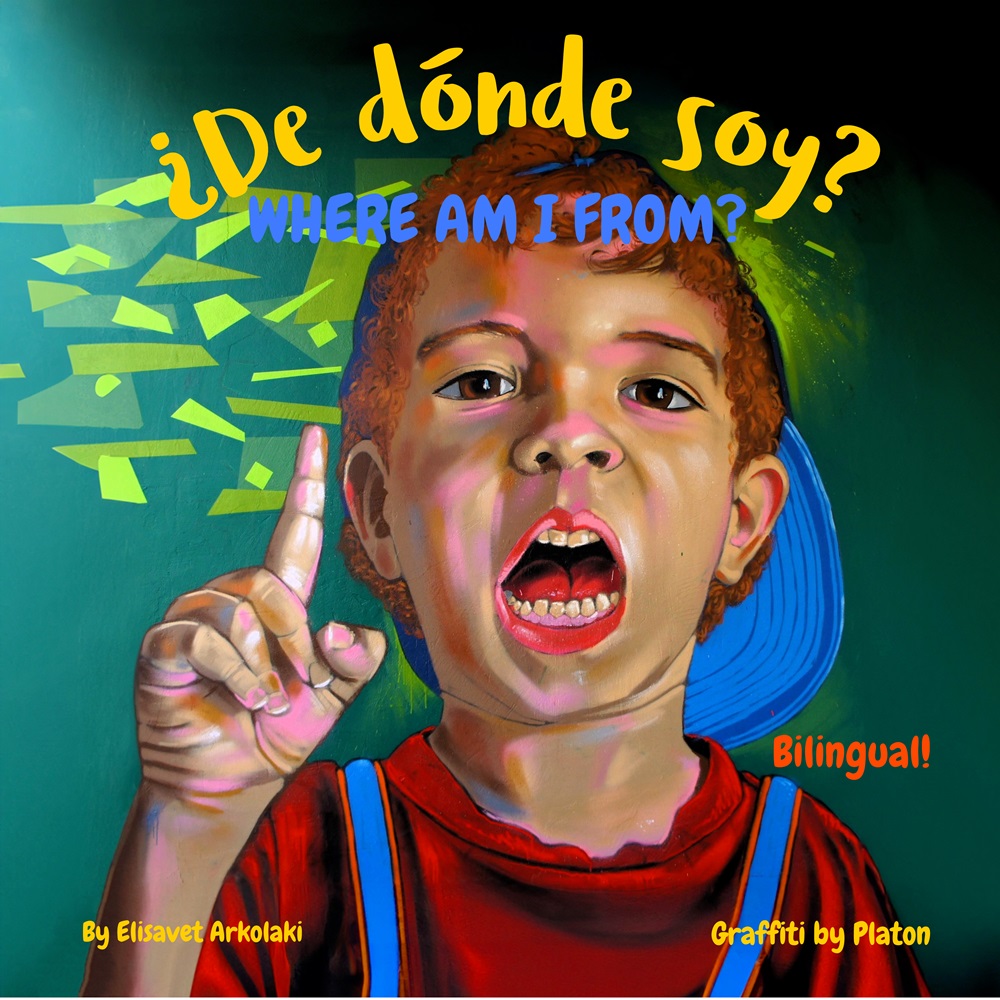
 Hi, Lots of news to share, so just scroll down and read whatever interests you 🙂 . 1) A Sea of Stars -> All versions featuring the dad + daughter and dad + son combinations have now been published. Available languages on all Amazon stores: English – Albanian A Sea of Stars – Një det yjesh English – Arabic A Sea of Stars – بحر من النجوم English – Armenian A Sea of Stars – Աստղալից ծովը English – Bosnian A Sea of Stars – More zvijezda English – Croatian A Sea of Stars – More zvijezda English – Dari A Sea of Stars – دریایی از ستاره ها English – Dutch A Sea of Stars – Een sterrenzee English – Farsi A Sea of Stars – دریایی از ستاره ها English – Finnish A Sea of Stars – Tähtimeri English – French A Sea of Stars – Une mer d’étoiles English – German A Sea of Stars – Ein Meer von Sternen English – Greek A Sea of Stars – Μια θάλασσα από αστέρια English – Hungarian A Sea of Stars – Csillagtenger English – Irish A Sea of Stars – Farraige na Réaltaí English – Italian A Sea of Stars – Un mare di stelle English – Korean A Sea of Stars – 별의 바다 English – Maltese A Sea of Stars – Baħar ta’ Stilel English – Norwegian A Sea of Stars – Et hav av stjerner English – Pashto A Sea of Stars – دستورو سمندر English – Polish A Sea of Stars – Morze gwiazd English – Portuguese Portugal A Sea of Stars – Um Mar de Estrelas English – Portuguese Brazil A Sea of Stars – Um Mar de Estrelas English – Romanian A Sea of Stars – Un ocean de stele English – Russian A Sea of Stars – Звёздное море English – Serbian A Sea of Stars – Море звезда English – Spanish A Sea of Stars – Un mar de estrellas English – Turkish A Sea of Stars – Yıldızlar Denizi English – Ukrainian A Sea of Stars – Зоряне море English – Vietnamese A Sea of Stars – Biển đầy sao 2) ❤ 60,000+ book sales ❤  I’ve reached the point where over 60,000 copies of my books have been sold, plus several thousand more have been read for free as eBooks, and through public libraries and schools. It’s a wonderful feeling because I’m doing what I love and getting paid for it, which frees up time to pursue even more creative threads that lead to other projects. In this post, I’m sharing some thoughts and useful resources for those who might be considering indie publishing. 3) Helping my child become biliterate: What the research says   Yoshito Darmon-Shimanori interviewed Dr Germaine Moran Koskina on the topic “Helping my child become biliterate: What the research says”. This interview was part of the “The Grand Multi-literacy Event 2025” organized by Yoshito. My work was mentioned there, forever grateful that value is found in the books I create. You can watch it here. Germaine commented, “I had to mention them as they are valuable in my classroom! And furthermore, as this was also an international event and you have had them translated in so many languages, I thought anyone watching this would benefit by knowing of their existence. I have also added them to my Google Site as one of the resources. And thank you for connecting me with Yoshito! His Grand Multiliteracy Event is awesome and I was so happy to be invited to take part!” 4) Thank you so much for sending me photos! 🙂  I love seeing: Libraries that stock my books Your kids’ or students’ creations Anything else related. I appreciate it all!     5) Ukrainian language  This one is for my friends who speak Ukrainian, have Ukrainian friends with children, or teach Ukrainian students at school. I’ve just found out that Oksana Sichkar (PhD in Literature) who writes and publishes children’s books in Ukrainian, also runs a YouTube channel featuring read-alouds in the language. You can now find three of my books there, beautifully read in Ukrainian: Nelly’s Box Part 1 Part 2 Happiness Street Cousins Forever 6) Two articles I wrote for Multilingual Families  a) The Greek “Plural of Politeness”: Respect, Fear, or a Lingering Hierarchy? Dr Ute Limacher-Riebold wrote, “What languages you regularly use have a specific form of politeness/ “plural of politeness” like in Greek, French, Italian, Spanish, German… etc.? Are you still using them the same way or do you observe a shift? When our children grow up with languages that have various of these forms, they might prefer the “simplest” ones, i.e. those without (!) them, like English. At least this is what I observe – not only among children but also in adults juggling multiple ways to express politeness and respect. Elisavet Arkolaki shares her experience with this linguistic habit in her thought provoking post on our website multilingual-families.com What is your experience with these forms? What forms do your (multilingual) children prefer? And just generally speaking: what are your thoughts?” You can join this conversation here and an ongoing discussion on social media here on LinkedIn or on my personal FB profile here. b) A Multilingual Mother’s Reflections on Labels, the Self, and the Fluidity of Identity 7) Thank you to Aase Wivestad and Horten, Norway, public library for ordering these books in English-Arabic ❤.  8) An interview in Greek for a local newspaper You can find it here. 9) Armenian language resource!  Congratulations to Aregnazan Avetisyan, the translator who translated all my bilingual children’s books into Armenian, for publishing a book for young learners who want to start learning Armenian in a fun and easy way. You can find it here. 10) To close this long blog post I’m sharing this photo from our daughter’s class in Norway, “We are all unique, but we fit together perfectly!” ❤  Have a lovely rest of the week! Sending you love, Elisavet, or just Liza as my friends call me 🙂 |
Category: Uncategorized
Subscribe
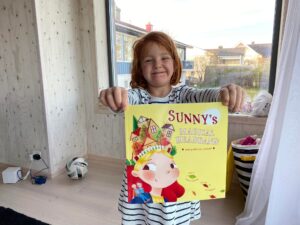
If you enjoyed this article, subscribe to receive more just like it.