Swimming with sharks and some book news :)


Hi everyone,
It’s been a while. I hope you’re all doing great 🙂
As per usual, just scroll through and read the sections that interest you.
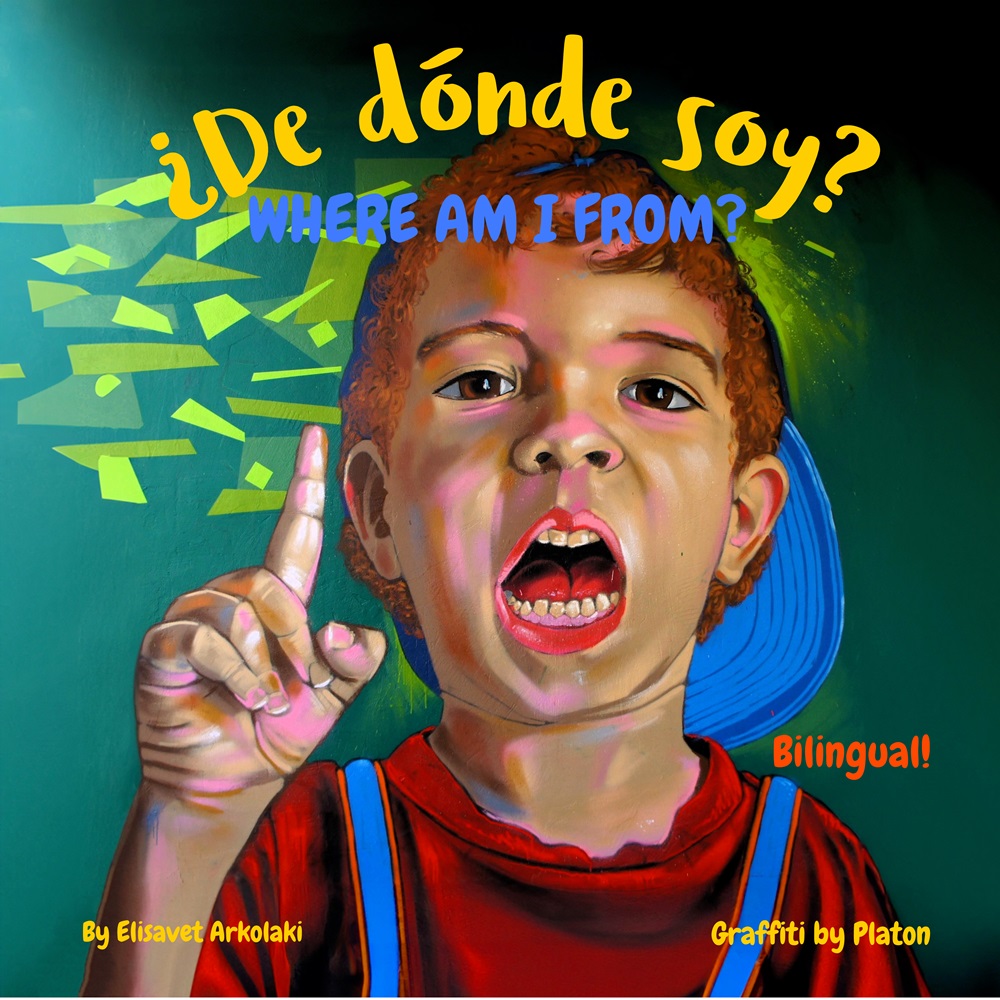
1) Where am I from? included in a list of “100 books to read before you turn 6!”

This refers to a book reading campaign organized by the Norwegian public libraries in Horten, Holmestrand, Larvik, and Sandefjord. Platon (the street artist) and I are honored to have our book listed there and recommended.


2) Nelly’s Box made it onto ILT Education’s “January Book Recommendations” list in Germany!
Link here!


ILT Education offers digital picture book services that support students’ language and literacy development in multiple languages across Sweden, Norway, Finland, Germany, France, the UK, and the USA. The company was founded in Sweden, and its educational platforms Polylino and Polyglutt are used by students in the majority of schools in the country. All my bilingual books in English, Swedish, Norwegian, German, Finnish, and Spanish are available and can be read there.
3) Lesson plans for primary school and college students

A few days ago, Yoshito Darmon-Shimamori wrote this insightful post.
His words inspired Germaine Koskina, PhD to take it a step further, start a lesson for her second graders, and follow up in the future with one more lesson for her college classes.
I’m so honored to see that she chose to use “Where am I from?” for this purpose <3.
After seeing the post by Yoshito Darmon-Shimamori about identity for multilingual/transnational children I decided to start a lesson for my second graders and will follow up with one for my college classes based on this lesson. I want to share what I did:
I decided to ask my 2nd grade students about their perceived identities after asking where they or their parents are from. I got a lot of diverse answers. It was very interesting to see how different people had different viewpoints on identity.
One boy born in the United States to parents from El Salvador sees himself as El Salvadorian due to the language and that he feels he does not speak English well enough yet to consider himself American, equating language to his identity. Others see themselves as American and the nationality of their parents. While others see their identities separately from their parents.
My next step was to read the book “Where am I from? ” or “¿De dónde soy?” written by Elisavet Arkolaki. We went on Google maps and looked at where each country was and how far away from us, photos of each country, and then used the information in the book to learn a little more about what each country was known for. Some students were excited to see their country included and others were excited to “visit” their country even though it was not mentioned, which we did after finishing the book.
Then we continued discussing the issue of identity and the issues Yoshito spoke about in his post and how the kids can respond. It is ok to not prefer one or the other but reframe the answer into what they like about both. And no matter what they feel about their identities, they are all unique and it is ok to feel any way they want about their identities. The kids loved the lesson!!!
For my college classes I will first discuss identity as well and then discuss our multinational student population, sharing Yoshito’s post with them, and what we need to do as educators, sharing what I did with my second grade class and getting them to share ideas of what they can do with their own students. 😊
4) Reviews!
Thank you for the first reviews of 2026 (and the last 1 of last year…) 🙂 !


5) Swimming with nurse sharks

Last December, I had the amazing experience of swimming with nurse sharks. It’s not related to my books, but if you find this interesting, you can read more about it here.
I wish you a great week ahead, a lovely January, and a great 2026 🙂 !
Category: Uncategorized
Subscribe
If you enjoyed this article, subscribe to receive more just like it.