Interview with Vivi Markatos, multiple award-winning animator and children’s book illustrator


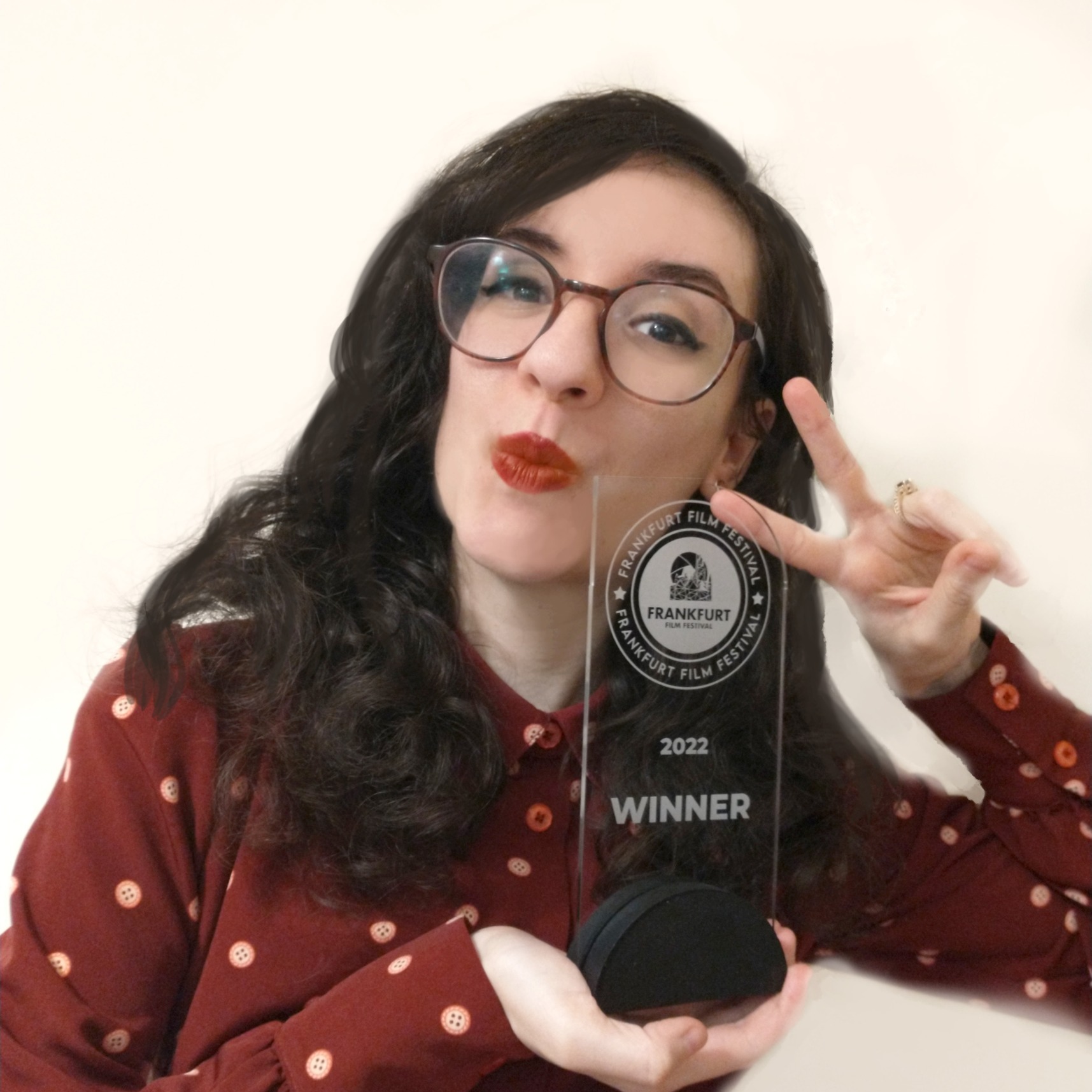
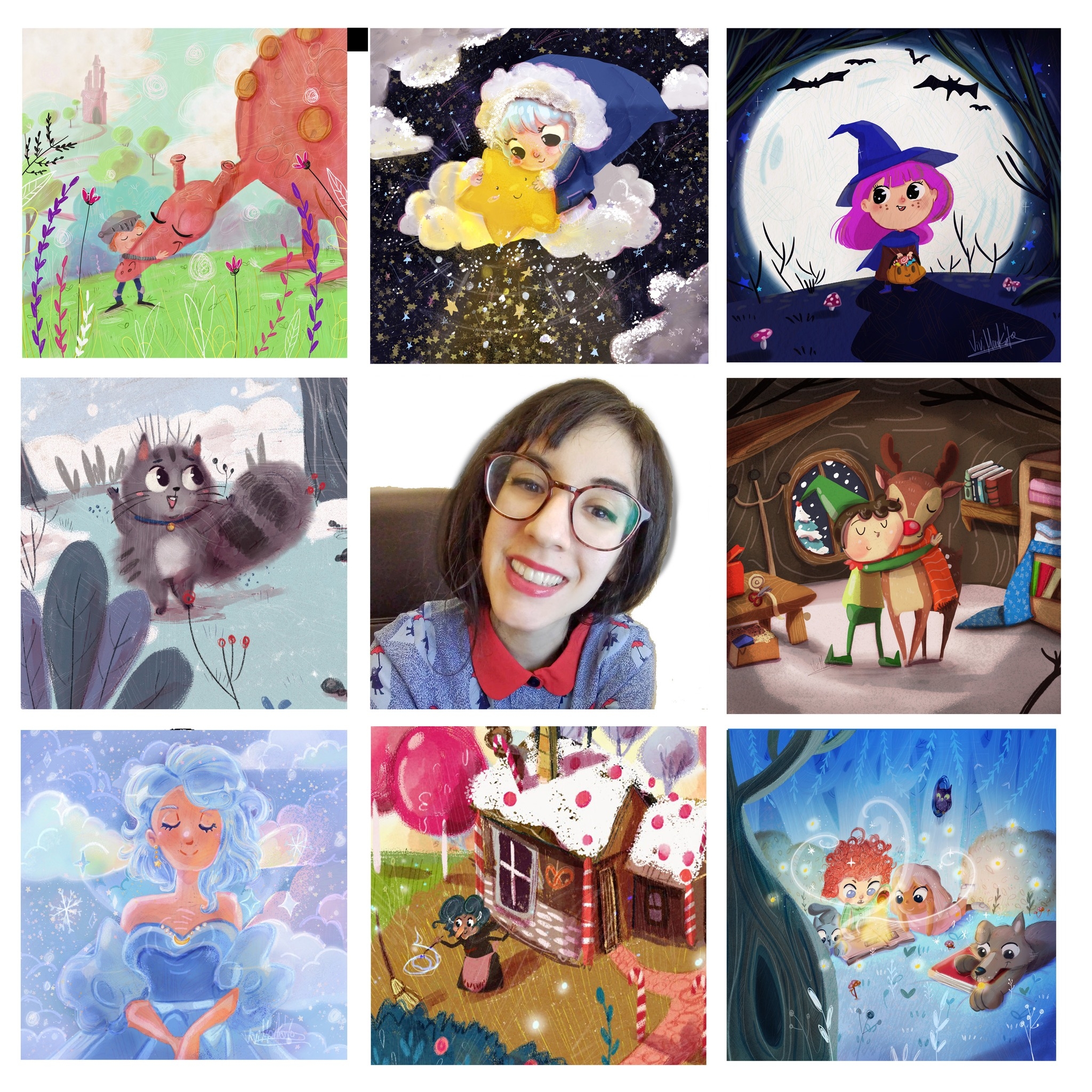
Vivi Markatos is a multiple award-winning animator and children’s illustrator based in the United Kingdom. She studied theater at the National and Kapodistrian University of Athens, with an Erasmus program at Freie Universität in Berlin and graphic design at a vocational school in Greece. Additionally, she holds an MSc in Computer Animation from the University of Portsmouth, where she was honored with the title of Valedictorian (an academic title for the highest-performing student of a graduating class of an academic institution).
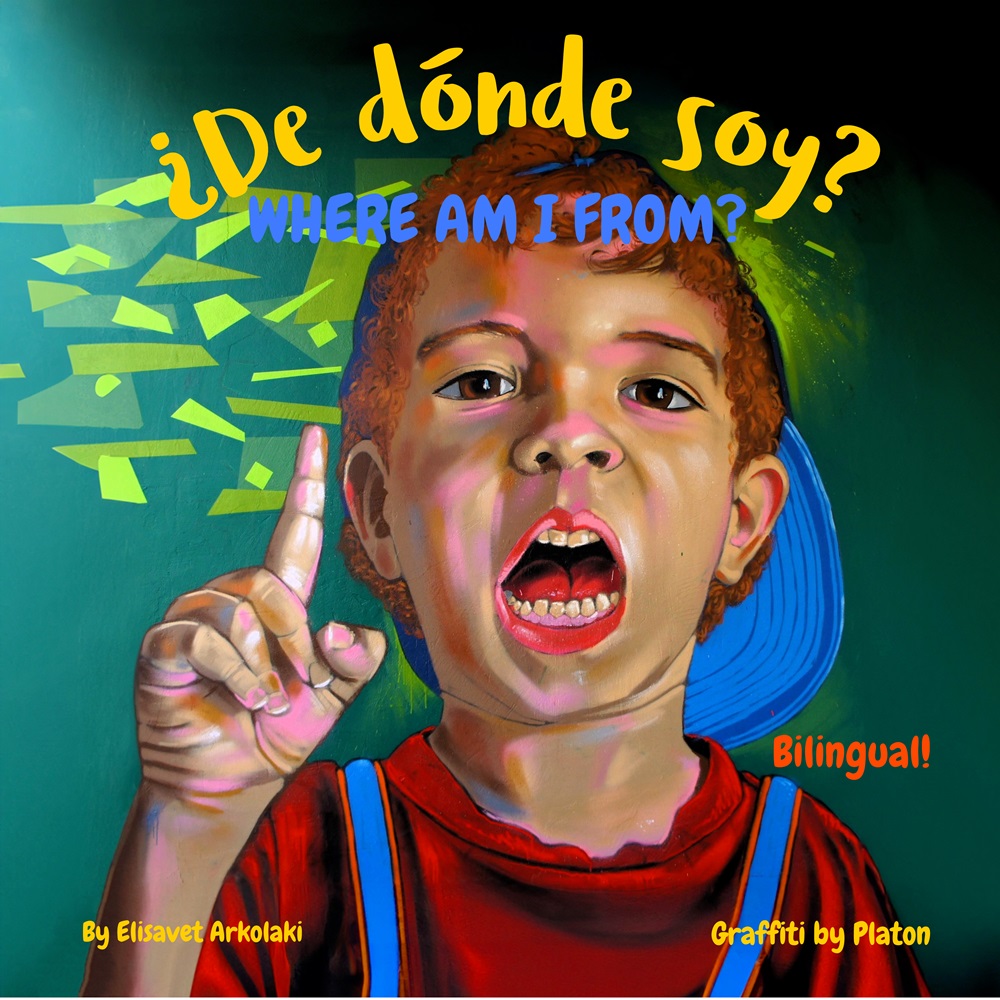
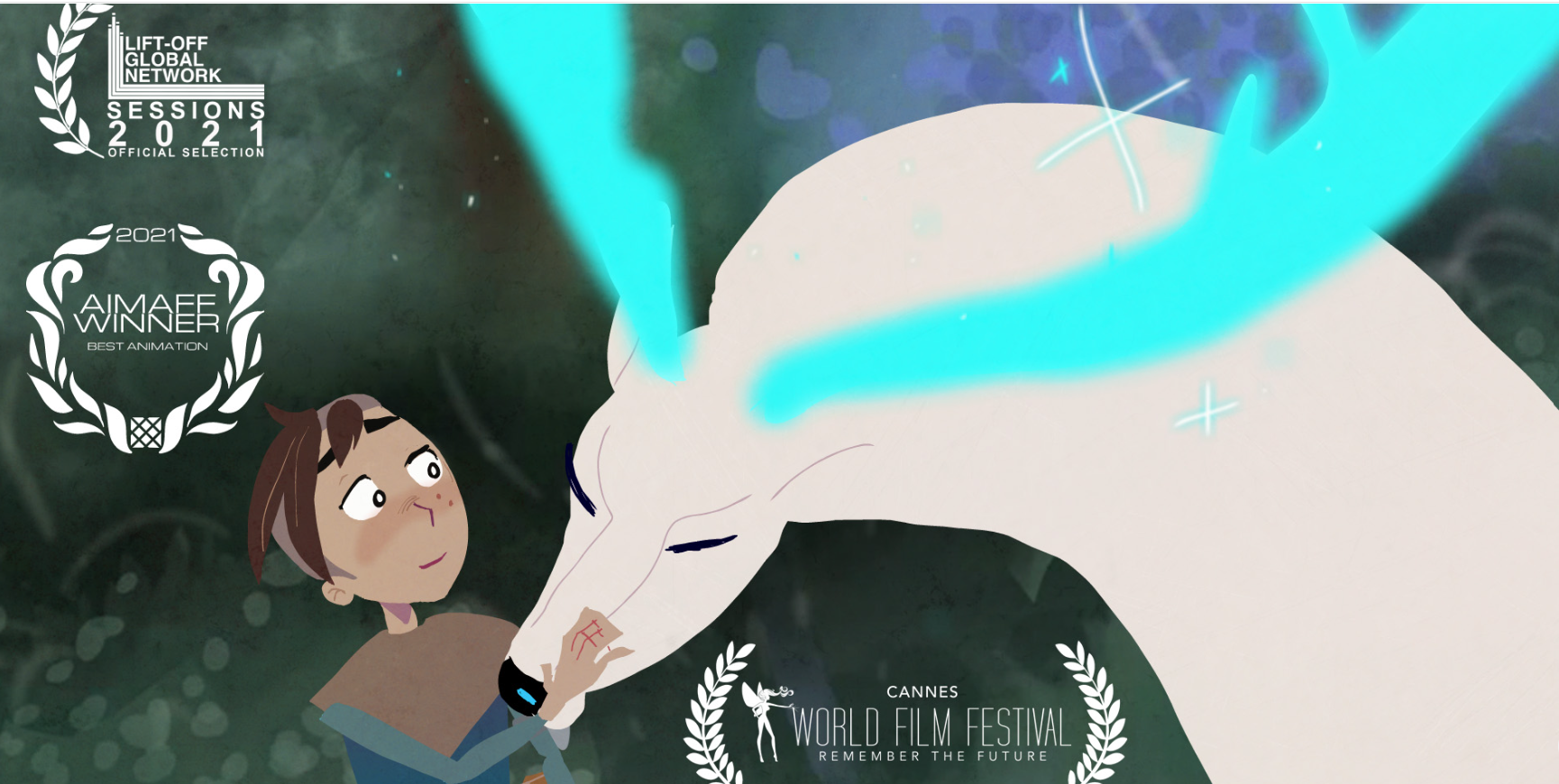
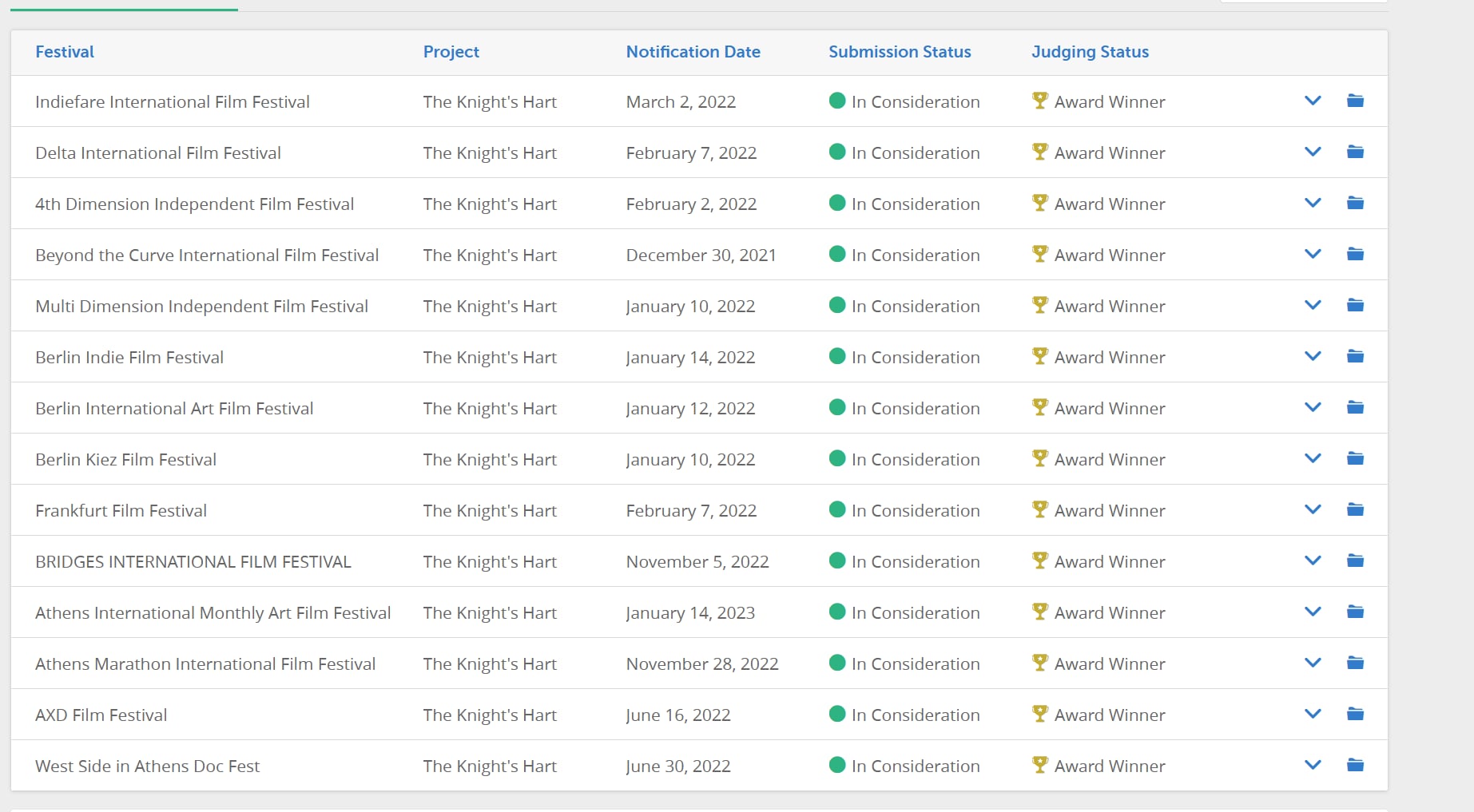
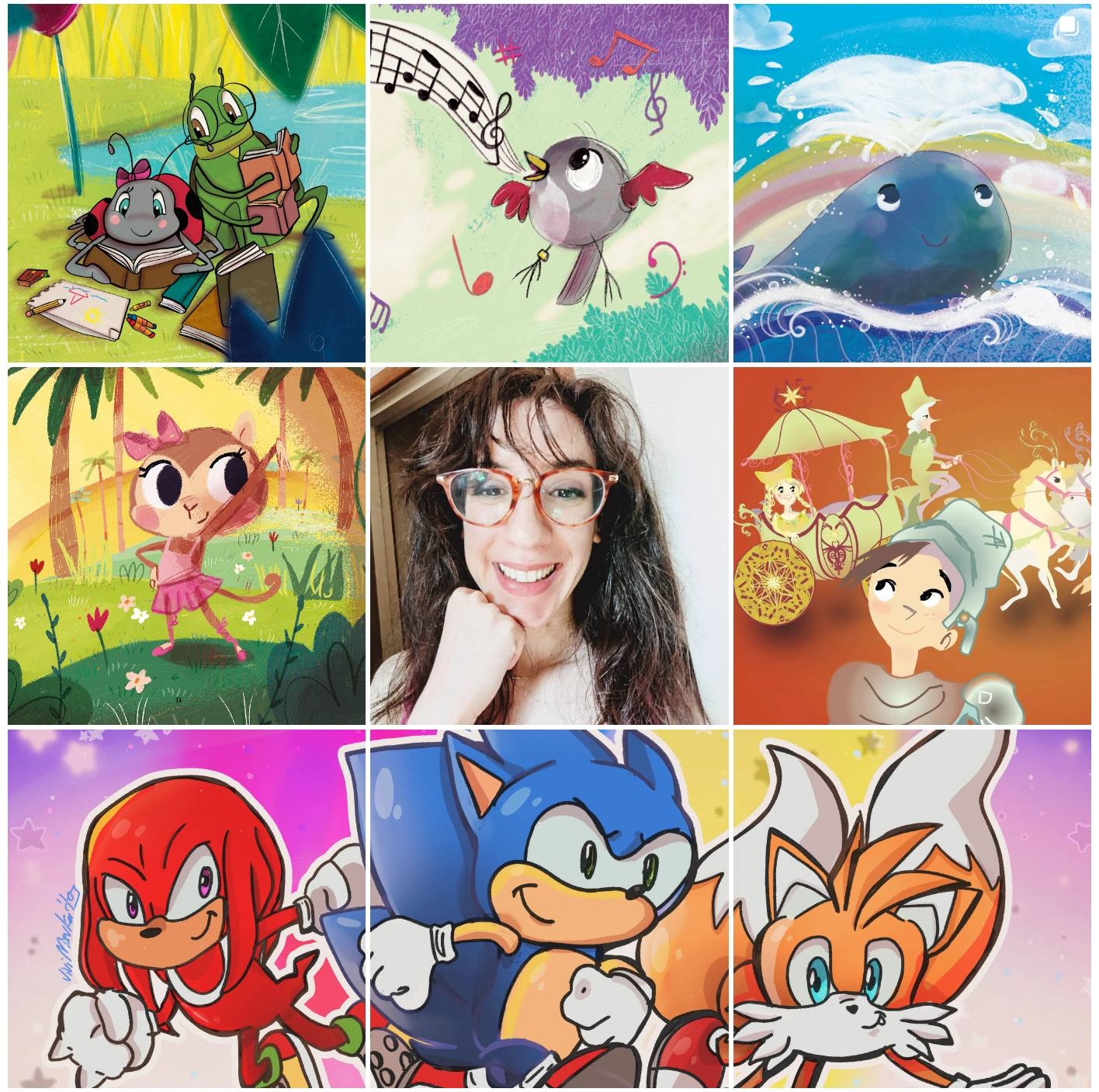
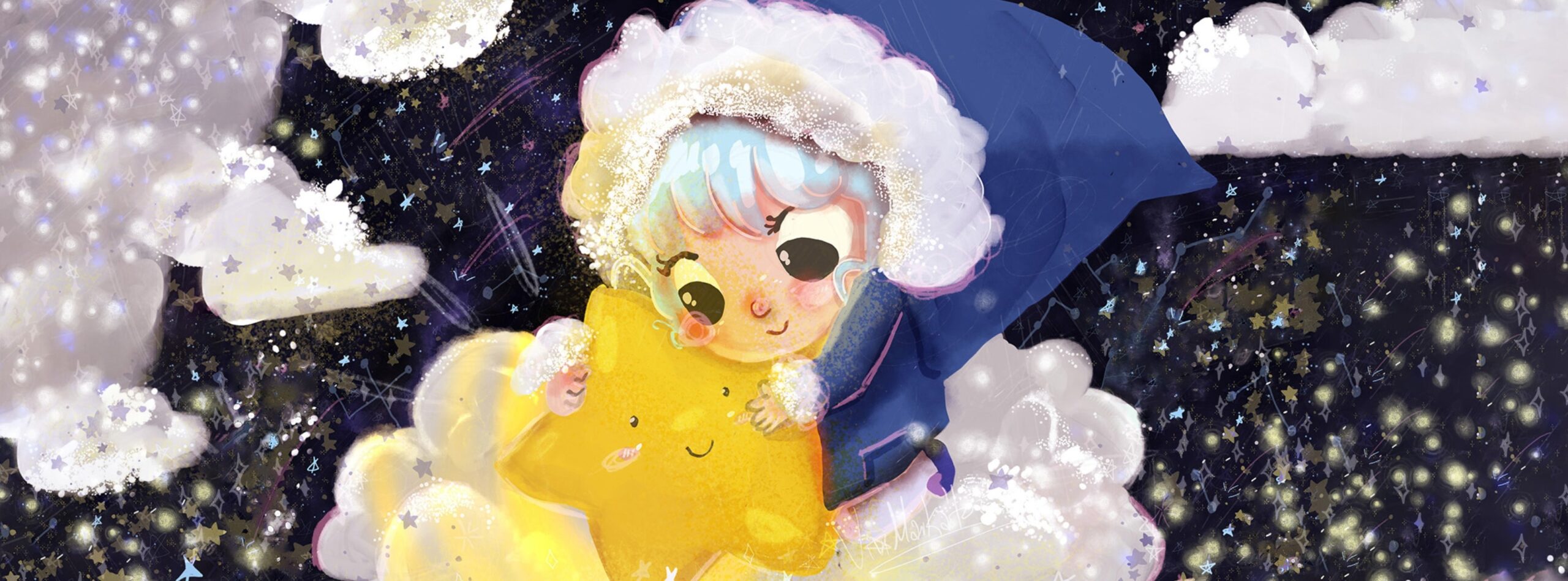
Vivi has illustrated over 100 books, mainly children’s books, including my new bilingual children’s book, A Sea of Stars. She has also directed animated films, with two animated shorts currently underway. Her films have been nominated for awards by the Hellenic Film Academy and the Cannes World Film Festival and screened worldwide. For example, her film The Knight’s Hart has won over 16 awards and nominations! It was awarded 1st place at the Frankfurt Film Festival, 1st place as Best Animated Film by the Athens International Monthly Film Festival and was selected at London’s Pinewood Studios and Cannes’ World Film Festival. She is a member of the Greek section of IBBY and has represented Greece at the International Festival of Children’s Illustration in Bratislava. She is also a member of ASIFA and WIA (Women in Animation).
Moreover, Vivi has been teaching illustration and concept art in various institutions and participates in lectures and seminars in schools and libraries to promote literacy and the arts.
How would you describe yourself in 10 words?
Hi! Thank you so much for the honor of talking about my work. I am passionate, diligent, empathetic, diverse, creative, hard-working, whimsical, inclusive, distinctive (in style), and honest.
What inspired you to start illustrating children’s books, and what led you to pursue this path? How did you get started with illustrating your first book?
For as long as I can remember, I have wanted to make cartoons on TV. I was fascinated by this art and medium. I was 4-5 years old, more or less, when I told my father this is what I wanted to do, and I was 13 years old when I found out it was called “animation”, which means bringing things to life (anima= means spirit, soul, and animation is the technique of bringing things to life through moving images).
I loved illustrating since I was a kid. I actually sold my first piece of art to a classmate and earned my first money when I was 7! I wasn’t the best in the class in terms of arts, but I loved drawing so much that it didn’t bother me how well I drew. After moving to a rural town with my family, things became more challenging, and I couldn’t get on well with my peers. I got introverted, and I faced loneliness. Again, art was, for me, my salvation; through it, I managed to make my own stories and characters and get through the difficult teenage years.
I won many awards from a young age and tried to use this to convince my parents that I wanted to pursue art for a living and that I didn’t see it as a hobby but as an extension of myself. My parents were proud of my art distinctions, but never agreed with or supported me becoming an artist. After special recognition in a Panhellenic Comic Competition, I met a friend who became my future mentor, but I wouldn’t know that until some years later.
I ended up in the subject field of theatrical studies at University because I didn’t attend any drawing classes and wasn’t well-prepared to apply to Graphic Design schools. I took the test, but I failed. Theatrical studies were my other choice. I was convinced that these studies would help me learn the theory of acting and directing so that I could produce animated films. And I was right!
In the meantime, I was also studying Graphics in college, which helped me learn the practical aspects and gave me the tools to work toward achieving my dream. During my years as a student, I started going out with my dear friend and future mentor, Paris Charalampidis, an amazing artist. He was lending me books and his notes about animation and drawing. I had never received so much support from a stranger before. He’s now a friend for life, and I owe him a lot. One day, he told me, “Why don’t you do a children’s book? Your art style is cute and is perfect for this!” I followed his advice… and here I am! I illustrated my first book in no time. Its title is Water and Soil by Sofia Politou Ververi, Saita Publications, and it was a phenomenal anti-war fairytale about two kingdoms. I really enjoyed it, and it was the start of so many great things for me and my artistic life!
How have your studies in Theater and Computer Animation Image influenced your approach to illustration and animation?
It helped me understand academic and esoteric notions in the industry, break down the processes of creating the medium, and see every aspect of production. I approached the work as a professional, having the ability to talk, imitate and understand other accomplished professionals in the field. I had the head professor of film studies at the University of Portsmouth, Searle Kochberg, as my supervisor, and Pan Vafiadis, the head professor of VFX at the Uni. I also had amazing professors in the field of humanitarianism from the Greek University in anthropology and folklore, like Dr. Valter Puchner, and I was lucky enough to attend seminars of Erika Fisher Lichter, another great researcher in performance and folklore, at Freie Universitaet. All these inspired me and came along with the influence of some other great professors, such as Dr. Anna Tampakis, Dr. Anna Karakatsouli, Manos Stefanides, and one of the greatest directors in Greece, Giorgos Michailidis.
Can you describe the process you follow when illustrating a children’s book?
I love human interaction, and communicating with the writer is the most important part of the process. You have to understand the needs and the vision of the writer and the things he/she wants to point out, cover, unravel and reveal. It’s like microscopic surgery; you try to bring to the surface something hidden in the deepest part of the ocean of the human mind. It’s fascinating and always amazes me; I never get bored with it. After that, there are several steps. You can create some samples and sketches, or if you have a really good connection with the author, you can go ahead and start drawing and painting. Luckily, most of the time, the result is wonderful, with no or few alterations. The straightforward process is riskier (because it can contradict some ideas of the writer) but wins in some other aspects: spontaneity, child-like image, more creativity, and more whimsical. I enjoy both processes.

How is that different from the process you follow when working on an animation film, and what is your role in such projects?
The main difference is that a book can have 13-14 images, whereas an animation of 5 minutes can have 7200 images! A book can take a month to complete, whereas the duration of an animated film can vary from some months to years, depending on style and length. Animation requires the hiring of more creative fellows, as well as artists, to speed up the process. It needs if it has voices, voice actors, a sound designer and music, as well as, most of the time, VFX and SFX artists. You also need a good editor to finalise the work, and for cinematic releases, specific software and hardware, and specialised staff to export your file to the right format.
For cinematic releases, you might also need to rent a theater to test your film on the big screen to ensure the exportation of your file is correct. My role is dyadic most of the time in the films I take part in. I work as a director to ensure everything goes according to my vision and as an animator in the production pipeline. Sometimes, I also love working in pre-production, in the creation of the storyboard, to be able to give a clear image of what I want and what I want to show on the big screen.
What challenges did you face while directing animated films, and how have these experiences contributed to your professional growth?
The difficult thing in an animated film is that you have to work with many creative individuals. You have to ensure that everyone understands the concept and that you cast your coworkers well: Everyone has to share the same passion as you. The film needs passion, and if your team doesn’t have it, you have chosen the wrong team. Every single person working with you should be part of your great idea and work as a representative of it and your film. Everyone should feel proud of it from start to finish, and support each other. That’s the most difficult part, I think. The other one is that you have to be able, as a director, to listen to their needs and voices. Although there is one solid thing that has to come out, it also should include the different voices of each one to be inclusive and diverse. And this is also something that a good director should do.
What is the significance of your participation in international festivals, such as the one in Bratislava, and how do these experiences impact your artistic journey?
I have been chosen for a second year to represent Greece alongside other talented artists. It is really important, and I feel proud. I also feel a bit stressed out about it because I want to make sure that I am the right choice and a good addition to the Greek team. I believe I have a distinctive style as an artist, and I think it adds something to the Greek community, so that reassures me that the choice is right. However, because there are a lot of challenges and competition, I am on my toes, trying to better myself year after year to ensure I hold a place in the Greek team. This journey has made me more responsible and more picky about the books I choose to illustrate. I don’t want to fail the readers, and I want to ensure the books I sign impact a better, more insightful and hopeful future. I want my work to give a glimpse of positivity.
How do you see the role of illustration in promoting literacy and art among children?
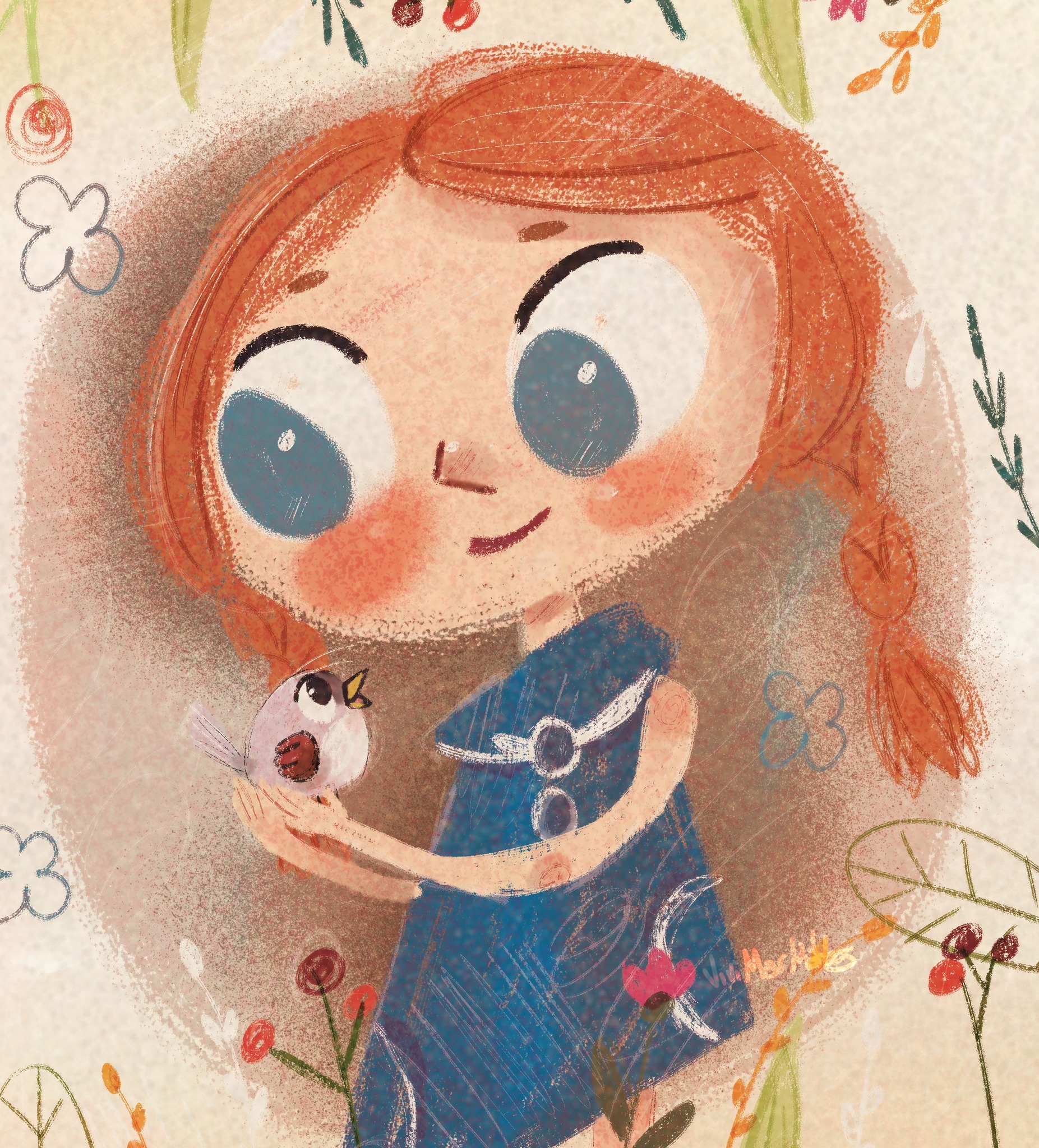
Our role as people working with kids and books is very important. We have to make sure that our work meets the requirements of our readers, as well as providing wider horizons for them. The books we make should not limit the kids’ minds but embrace and extend them to infinity and beyond. Books should be windows when doors are closed and should be bright stars in dark skies and eras. I believe we should approach our work in a responsible and careful manner because, at the end of the day, it impacts our society, children’s beliefs and lives. I think that, as an illustrator, specifically, the images we make should promote the love of life, peace, kindness, hope, and diversity. Images and words can have a huge impact on anyone, and we should be very careful with their content. The role of an illustrator is very crucial and must be, above all, ethical in our field.
What is your perspective on the use of technology in illustration, and how do you think the field will evolve in the future?
Technology is great and has done many good things for our field. In animation, people would need to use a lot of paper to finish a full-length film, which wouldn’t be considered environmentally friendly. Nowadays, with technology, we can tackle a lot of paper waste, and we can go a greener road. We have also achieved a lot of modern ways of drawing, drawing portable on screens or being able to communicate with projectors in schools, drawing from our tablets, and showing a whole classroom how to draw or how you can communicate your thoughts visually. Overall, technology has made massive changes to the artistic life of a creative individual, but I have never seen it as a threat. Technology is a very good friend. It has created so many new job opportunities, and even with AI, once the boundaries are set, we might be looking at a better and even more prosperous future. I am looking forward to it.
Tell us about your proudest achievement.
My proudest achievement was when I decided to leave home and follow my dream. I am proud that on my 24th birthday, I was celebrating my new self in another country, studying in the field of my dreams. It was stressful and lonely, but I felt that I made the right choice. I chose myself and my dreams instead of comfort and adhering to others’ expectations about my career.
What was your greatest failure and what did you learn from that?
When I was running to catch a bus, I gave up in the middle of the way. Rationally, the chances were 50-50; I might have made it, I might not have. Still, I convinced myself that I wouldn’t make it even though I had some minutes left. It was the first time I stood on a pavement crying because I failed to believe in myself, my ability, the impossible, and the possibility of trying. It was a big slap.
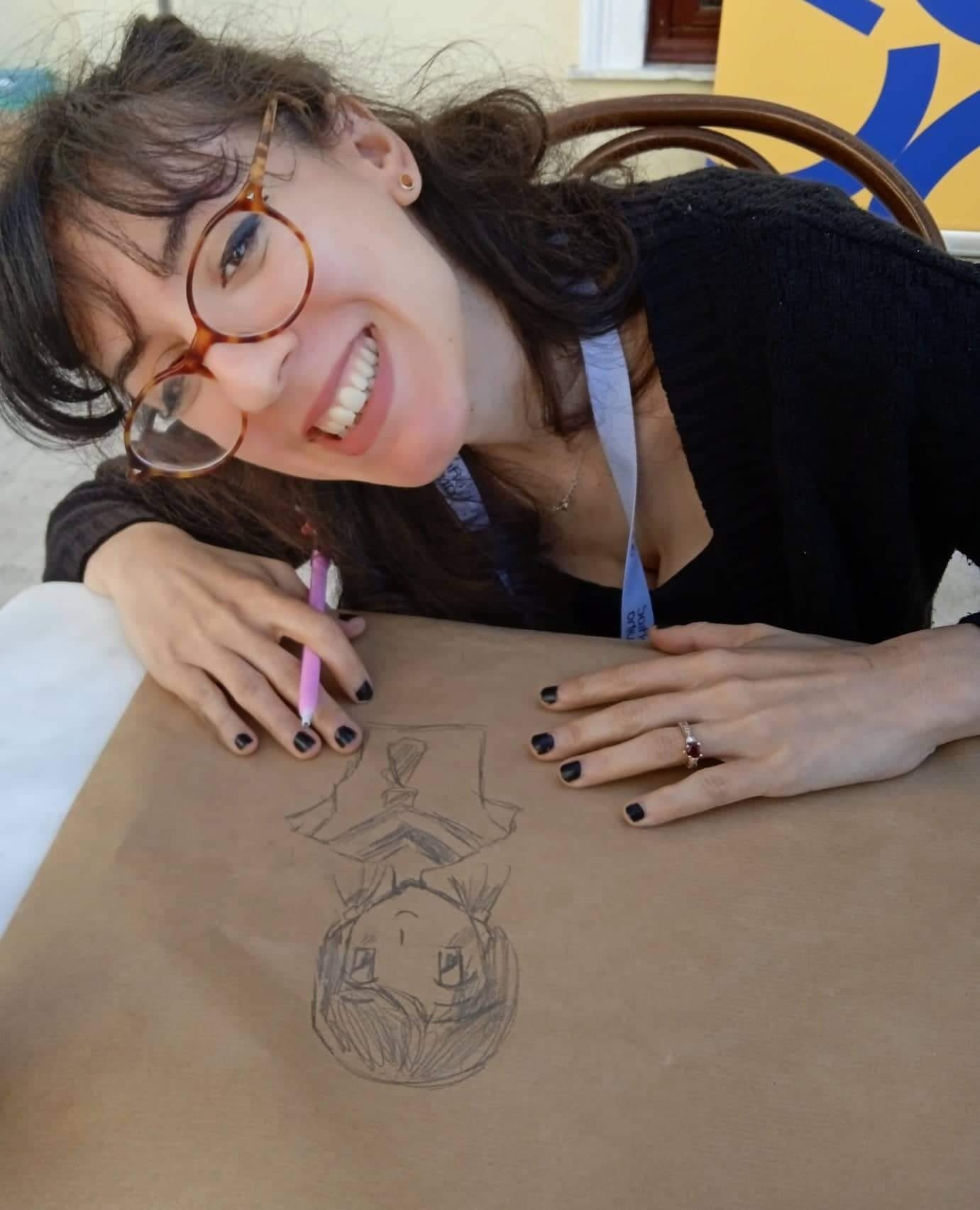
What’s the craziest thing you have ever done?
Ι got an Erasmus scholarship to study at the Freie University in Berlin. However, I had to matriculate to the University before I gοt my scholarship, and there I had a problem. I was completely broke, and it was impossible for me to find a cheap flight to Berlin, so I had to plan my way through it. I found a very cheap direct flight from Greece to Stuttgart through Istanbul. I didn’t even have a passport which was mandatory. I was holding my EU ID. I had to spend overnight there, and the next morning, I got on a flight to Stuttgart. I not only didn’t do what I was supposed to (to remain in the airport because without a passport you cannot leave the airport), but I also spent a night in a stranger’s house. In the morning, I took a taxi and then I went in for the check-in. I created a small chaos because I wasn’t supposed to go out with an EU ID. I managed to fly anyway after a lot of fuss. When I arrived in Stuttgart, I stayed with a Greek family I didn’t know from before and hired a “black taxi” (an Italian car, which was driving to Berlin and was able to drive you to your destination together with others for some euros). I ended up in a stranger’s car, together with some other strangers traveling across Germany to reach Berlin. At the end, they left me at my accommodation, wishing me a great time as a student, and it was quite cute! I don’t know if I would ever do such a thing again. It was crazy, risky, and it could have gone wrong at any point, really. However, I don’t regret it because I did what I had to do, and ultimately, with one thing leading to the other, I achieved my dream. I am very grateful for the kindness of the people and their hospitality.
Who do you admire the most and why?
I admire the passion of people doing what they love, no matter their age or background. I am proud of them, which also gives me the power to keep going.
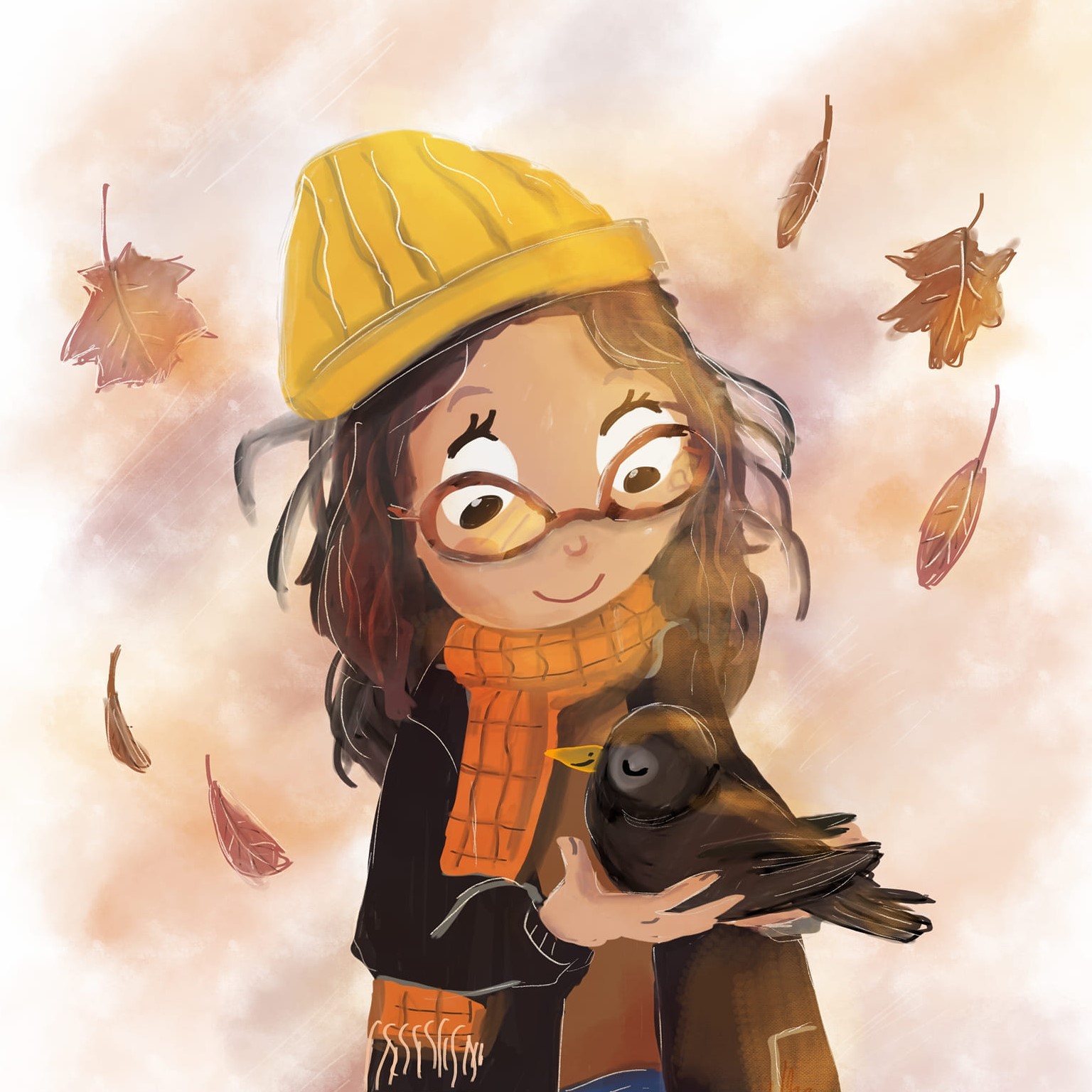
If you could know the absolute and total truth to one question, what question would you ask?
I don’t know. I like having questions and wanting them answered. I prefer being a student rather than a teacher, so I prefer asking questions rather than giving answers. I would probably, maybe, ask about world peace, but only if the answer was positive.
Share with us a sweet or funny story that has happened to you recently.
Due to a double cancellation of my flight after a work trip, I was stranded in Athens for two days when I was supposed to fly from Rhodes to the UK. It was tiring but also wonderful. I met friends and people I wouldn’t have seen otherwise, which warmed my heart. Despite the very awkward trip, in the end, I turned the bad luck into funny faces and lovely moments.
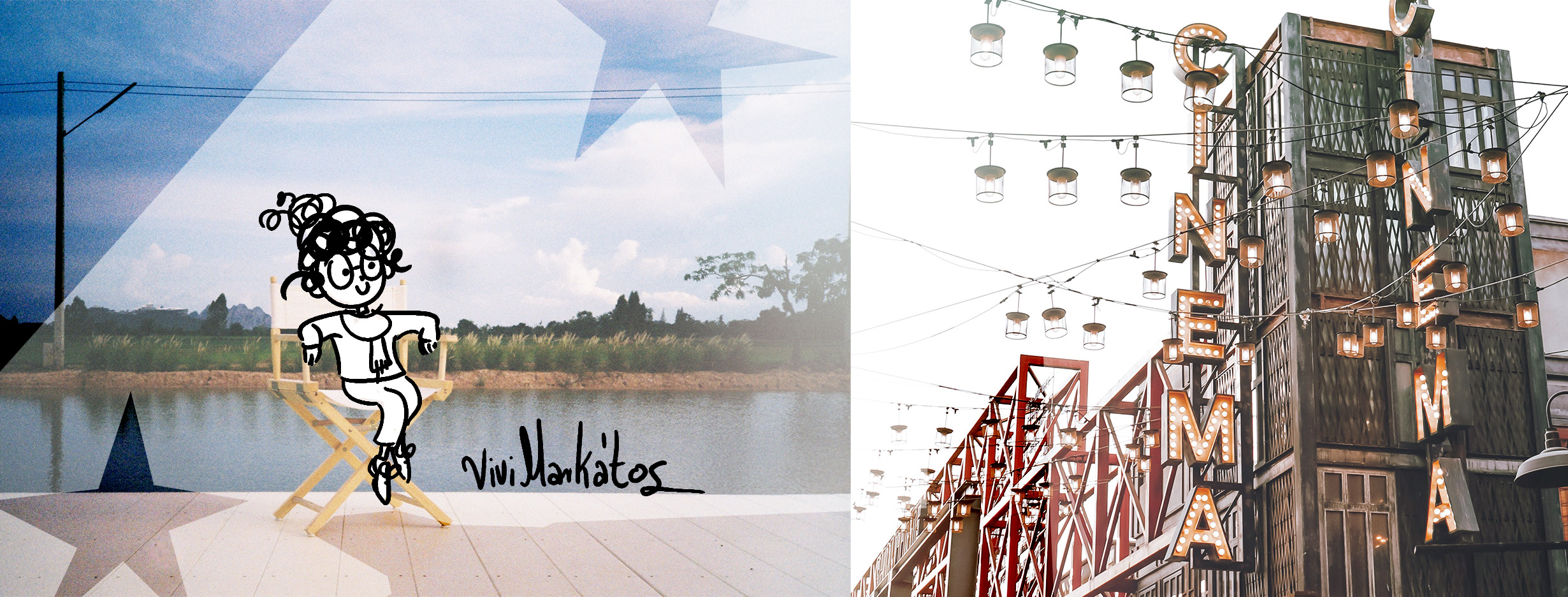
What is your vision? Where do you see yourself 5 years from now?
I won’t say because I believe if I say it… It won’t happen. However, I really want to be a strong, inspiring and independent woman. If I achieve these, I will be very happy.
How can people get in touch with you, and where can they find your books and animated films?
You can find my work by checking my portfolio here.
You can contact me by email here: vmarkatos@yahoo.gr
Thank you!
Category: Uncategorized
Subscribe
If you enjoyed this article, subscribe to receive more just like it.